

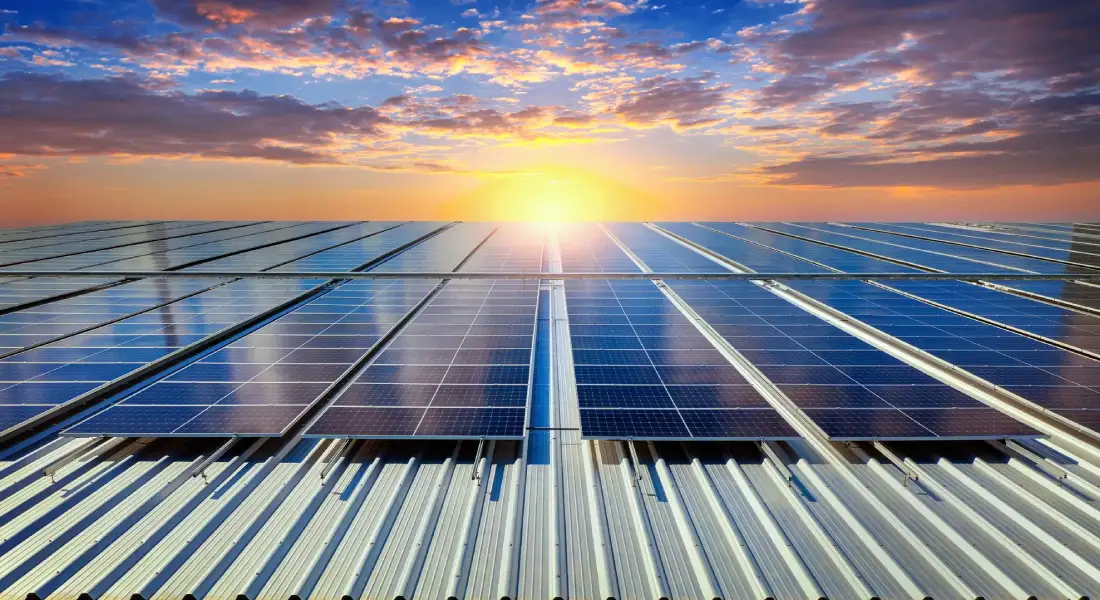
As the hottest weeks of the year arrive, many California homeowners are feeling the impact of running air conditioning systems day and night. Solar panels offer a dual benefit that goes beyond just reducing your electric bill. They can also help keep your home cooler. The connection between solar energy and air conditioning is more than just powering your system with clean electricity. When mounted on your roof, solar panels act as a shield, reducing the amount of heat absorbed by your home and helping your cooling systems run more efficiently.
How Solar Panels Keep Houses Cool
Solar panels reduce cooling costs through a process called the “solar roof cooling effect.” When photovoltaic panels are installed on your roof, they create a barrier between the sun’s rays and your roof surface. This shading effect can reduce your roof temperature by 5-10 degrees Fahrenheit on hot summer days. The space between your roof and the solar panels creates an air gap that provides additional insulation. Hot air circulates through this gap and escapes, preventing heat from penetrating into your attic and living spaces. This natural cooling process means your air conditioning system doesn’t have to work as hard to maintain comfortable indoor temperatures. Traditional dark roofing materials absorb heat and transfer it into your home throughout the day. Solar panels intercept this solar energy and convert it into electricity instead of allowing it to heat your living spaces. The Department of Energy research shows that buildings with solar installations can experience measurably lower indoor temperatures during peak summer hours.
Solar Energy for Home Cooling Systems
Solar power for AC represents one of the most practical applications of renewable energy for homeowners. Air conditioning typically accounts for 50-70% of summer electricity costs in hot climates, making it the perfect match for solar energy production. Peak solar production hours align closely with peak air conditioning demand. Your photovoltaic system generates maximum electricity between 10 AM and 4 PM—exactly when your cooling systems need the most power. This timing creates immediate savings since you’re using solar-generated electricity instead of purchasing expensive peak-rate power from the utility. Solar panels and air conditioning work together to create a self-sustaining cooling solution. During the hottest parts of the day, your solar system can produce enough electricity to power multiple AC units, ceiling fans, and other cooling equipment without drawing from the electrical grid. Battery storage systems can capture excess solar production during peak generation hours and release it during early evening when AC demand continues but solar production decreases. This extends your solar power for AC coverage into the late afternoon and early evening hours.
Solar Panels Benefits in Summer Beyond Cooling
Summer represents peak performance season for photovoltaic systems. Longer daylight hours and intense sun exposure mean your solar panels generate maximum electricity output during the months when energy consumption typically peaks. Solar panels reduce electricity bill amounts most dramatically during summer months when utility rates often reach their highest levels. Time-of-use pricing structures charge premium rates during peak demand periods, which solar energy can offset directly. Pool equipment represents another major summer energy expense that solar can address. Solar pool heating systems use the sun’s energy to warm pool water without electrical costs, while photovoltaic panels can power pool pumps, filters, and lighting systems. Landscape irrigation systems also benefit from solar power during summer months. Automatic sprinkler systems, drip irrigation, and water feature pumps can operate on solar electricity, reducing outdoor water-related energy costs.
Maximizing Summer Solar Performance
Proper system sizing ensures your photovoltaic installation can handle increased summer cooling loads. Energy audits help determine the right combination of panel capacity and battery storage to meet your specific summer energy patterns. Panel orientation and tilt angles affect summer production levels. South-facing installations with optimal tilt angles capture maximum solar energy during long summer days, ensuring peak performance when you need it most. Regular maintenance keeps your system operating at full capacity during critical summer months. Clean panels free of dust, debris, or shading obstructions maintain optimal electricity generation when cooling demands are highest. Smart home integration can optimize when your cooling systems operate based on solar production levels. Programmable thermostats can shift cooling loads to peak solar production hours, maximizing the use of free solar electricity.
Understanding Your Summer Energy Patterns
Most homes see dramatic increases in electricity usage during summer months. Understanding these patterns helps optimize your solar energy for home cooling strategy and system design. Peak cooling hours typically occur between noon and 6 PM, which overlaps well with solar production periods. Identifying your specific usage patterns helps determine the right mix of solar panels and battery storage for your cooling needs. Pre-cooling strategies can shift energy usage to peak solar production times. Running air conditioning during maximum solar generation hours to cool your home before evening peak rate periods can significantly reduce utility costs. Zone cooling approaches let you target solar power for AC in specific areas of your home during different times of day. This strategy maximizes comfort while minimizing energy waste in unused spaces.
Planning Your Solar Strategy
Even as summer begins to wind down, there is still time to reduce your cooling costs and prepare for long-term energy savings. A professional energy assessment can help you understand your home’s current electricity usage, identify cooling inefficiencies, and determine how solar can make the biggest impact, both now and into next year. Installing solar in late summer still offers meaningful benefits. You can take advantage of remaining high-production months while setting your home up for lower energy bills during the cooler seasons. Plus, with California’s warm climate extending well into fall, your system can continue producing strong savings long after peak summer ends.
Financial incentives remain in place to help offset the cost of your system, including the 30% federal tax credit, which applies to both solar panels and eligible solar pool heating installations. These savings can significantly reduce your upfront investment and accelerate your payback period. Now is the ideal time to start your solar journey. Contact Aztec Solar for a personalized consultation and discover how a well-designed solar system can keep your home comfortable and your energy bills in check—all year long.