
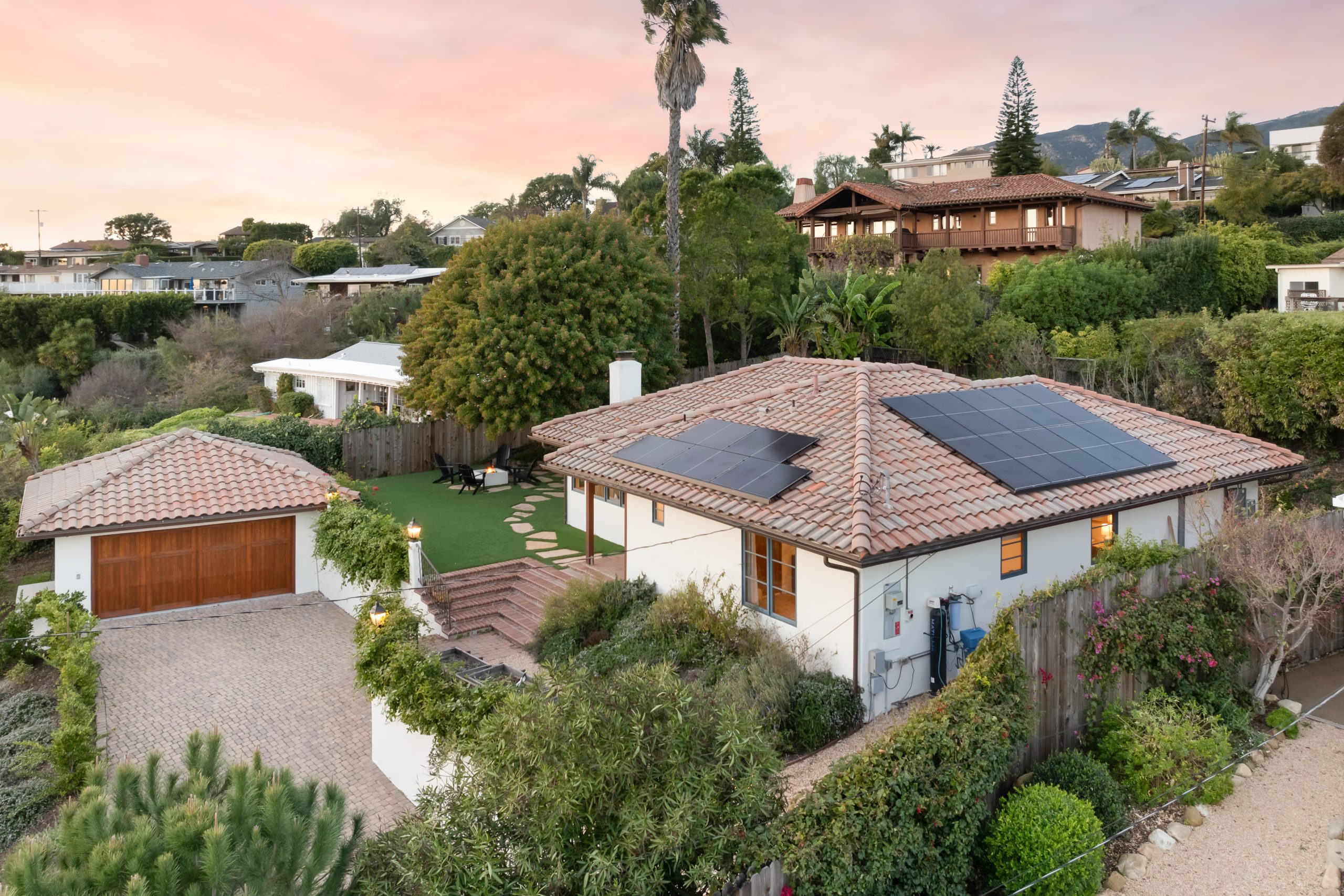
If you live in Loomis, you already know how much the weather shapes everyday life. Summers are hot and dry, winters are mild but sometimes foggy, and spring brings bursts of sunshine between rainstorms. All of these conditions play a role in how solar panels perform throughout the year. The good news is that Loomis weather is generally very friendly to solar energy. With the right system design and realistic expectations, homeowners and businesses can rely on solar to produce steady, dependable power year after year. Understanding how local weather affects solar production helps set realistic expectations and stronger long-term performance.
Sunshine Is Loomis’ Biggest Advantage
Loomis enjoys a high number of sunny days each year, especially compared to many other parts of the country. That steady sunshine gives solar panels plenty of opportunity to generate electricity. Solar panels don’t rely on heat to generate electricity. They respond to sunlight, which is why clear, bright days in Loomis support steady production. This helps make Loomis an ideal location for both residential solar systems and commercial solar systems. Even during cooler months, shorter days still provide enough sunlight to support meaningful energy production when systems are designed properly.
Hot Summers and Solar Performance
Summers in Loomis can get very hot, often climbing into the 90s and beyond. While solar panels love sunlight, extreme heat can slightly reduce their efficiency. This doesn’t mean your system stops working, though. It simply means panels may produce a bit less power during the hottest parts of the day. Smart system design helps manage this. Proper spacing beneath panels allows airflow, which helps reduce heat buildup. Experienced installers account for local temperatures when designing systems to support steady solar system performance throughout the summer. Despite high temperatures, summer remains one of the strongest production seasons because of long daylight hours and clear skies.
Winter Weather and Shorter Days
Winters in Loomis are mild compared to many regions, but they bring shorter days, occasional rain, and morning fog. These conditions can temporarily reduce daily production, mainly because there are fewer daylight hours. Cloudy weather doesn’t stop solar panels from working. Panels still capture indirect sunlight, even on overcast days. Production may be lower, but systems continue generating electricity. Rain can actually help by washing dust and debris off panels, which supports better performance once the skies clear.
Fog and Morning Cloud Cover
Morning fog is common in parts of Placer County, especially during fall and winter. Fog typically burns off by midday, allowing solar panels to resume stronger production in the afternoon. Because fog tends to be temporary, it has a limited impact on overall system output. System designers factor in these local patterns when estimating annual production, so expectations remain realistic. This is where working with a solar company in Loomis that understands local weather patterns really matters.
Seasonal Changes and Energy Use
Weather affects not only solar production but also how much energy your home uses. Summer heat increases air conditioning use. Winter mornings may increase heating demand. Solar systems are sized based on year-round energy use, not just peak seasons. Many homeowners also explore battery storage systems to help balance production and usage, especially during evenings or during short-term weather changes. Battery storage allows you to store excess solar energy generated during sunny hours and use it later when production dips.
Wind, Dust, and Panel Cleanliness
Solar panels are built to withstand wind, rain, and normal weather exposure common in Northern California. While Loomis weather is generally gentle on solar equipment, wind and dry conditions can kick up dust. Over time, dust buildup can reduce how much sunlight reaches your panels. Most systems only need occasional solar maintenance, but particularly after long dry seasons, panels may need an inspection to ensure they’re in proper working order. Keeping panels clear supports consistent performance and protects your investment.
Solar Pool Heating and Seasonal Weather
Many Loomis homes have pools, making solar pool heating systems a popular option. These systems rely heavily on sunshine and perform especially well during spring, summer, and early fall. Solar pool heating extends swim season without the high energy costs of gas or electric heaters. Among pool heating options, solar is often considered an energy-efficient pool heating solution because it uses direct sunlight rather than grid power. Coordinating solar pool heating with photovoltaic systems helps homeowners make the most of available roof space and sunlight.
Weather Considerations During Installation
Local weather also affects the solar installation process itself. Installations are typically scheduled during dry conditions to ensure safe roof access and proper sealing. Experienced solar company teams plan installations around seasonal weather patterns to avoid unnecessary delays. Loomis’ predictable climate helps keep projects moving smoothly most of the year, and once installed, systems are designed to handle changing weather without constant adjustments.
Residential and Commercial Systems Respond Differently
Residential solar systems and commercial solar systems both benefit from Loomis’ climate, but they may respond differently to weather changes. Larger commercial systems often spread panels across wider areas, which helps balance shading or temporary cloud cover. Homes benefit from careful placement that avoids shade from trees or nearby buildings, especially during lower winter sun angles. In both cases, weather-aware design supports reliable long-term production.
Why Local Experience Matters
Understanding local weather patterns is one reason choosing the right installer matters. A company familiar with Loomis knows how summer heat, winter fog, occasional rain, and seasonal daylight changes affect solar performance. At Aztec Solar, decades of experience across Northern California help guide smart system design. Weather, roof conditions, and energy goals are each considered to create systems that perform reliably over time. When systems are designed with local conditions in mind, seasonal shifts become part of the plan rather than a surprise. If you’re considering solar and want to understand how your home’s location and weather affect performance, speaking with a local expert can provide clarity and confidence. A well-designed system turns Loomis sunshine into reliable energy you can count on, season after season.