

If you’ve started looking into solar, you’ve probably come across two terms that sound similar but work very differently: solar water heating and solar panels. Both use sunlight. Both can reduce energy costs. But they serve different purposes inside your home. Understanding the difference can help you make a smarter decision about how to improve efficiency, lower utility bills, and plan for long-term energy use in Northern California.
Two Different Ways to Use Solar Energy
At a high level, the difference comes down to what each system produces:
- Solar panels generate electricity
- Solar water heating systems generate heat for water
That may sound simple, but the way each system works, what it offsets, and how it impacts your monthly costs can be very different. In many homes, both systems can even work together.
How Solar Panels Work
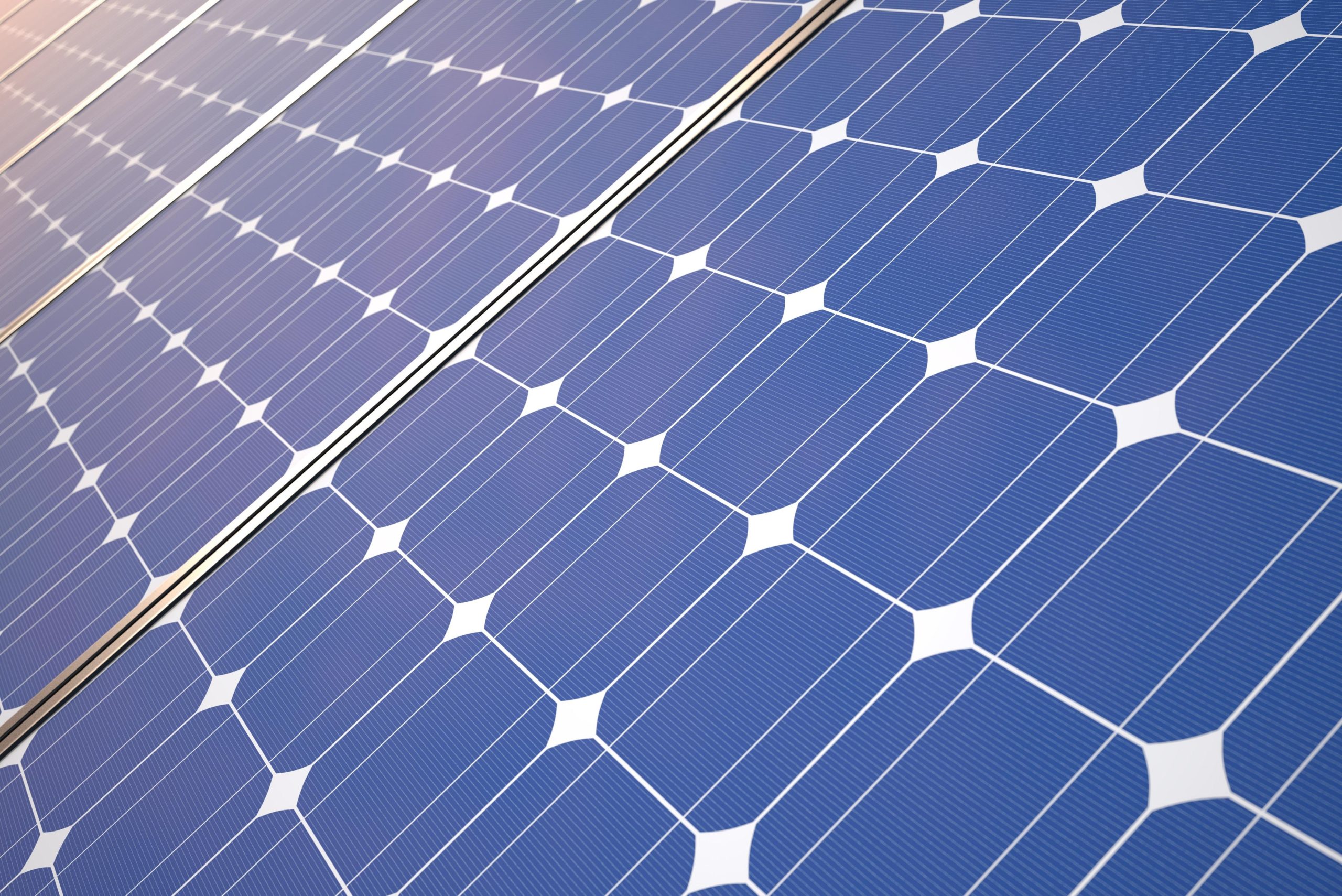
Solar panels, also called a photovoltaic system, convert sunlight into electricity.
When sunlight hits the panels, it creates an electrical current. That electricity flows into your home and powers everyday needs like:
- Lighting
- Appliances
- Air conditioning
- Electronics
If your system produces more electricity than your home uses at a given moment, the extra energy can be sent back to the grid or stored in battery storage systems for later use. That’s why solar panels are often associated with reducing electric bills. They directly offset how much electricity you need to purchase from your utility provider. For homeowners in areas like Rocklin, Roseville, and Folsom, where summer cooling demand can be high, solar panels can help offset some of the most energy-intensive parts of daily life.
How Solar Water Heating Works
Solar water heating systems don’t generate electricity. Instead, they use sunlight to heat water directly. Roof-mounted collectors absorb heat from the sun. Water or a heat-transfer fluid circulates through those collectors, warming as it passes through. That heat is then transferred into your home’s water supply. The result is preheated water entering your conventional water heater.
Because the water starts out warmer, your gas or electric heater doesn’t need to work as hard. That reduces the amount of energy required for:
- Showers
- Laundry
- Dishwashing
- Everyday hot water use
Solar water heating systems are especially effective in Northern California because of consistent sunshine throughout the year, even during cooler months.
What Each System Offsets
One of the most important distinctions is what each system actually reduces.
Solar panels offset electricity usage.
They help power your entire home and can reduce your electric bill across multiple categories.
Solar water heating offsets water heating energy.
It specifically reduces the energy used by your water heater, which is often one of the largest contributors to monthly utility costs.
In many homes, water heating is second only to heating and cooling in total energy use. That’s why solar water heating can have a meaningful impact even though it focuses on a single system.
Upfront Costs vs. Long-Term Impact
When comparing options, cost tends to be one of the first considerations. Solar panels generally involve a larger upfront investment because they’re designed to power a wide range of home systems. Solar installation costs vary based on system size, equipment, and whether battery storage is included. Solar water heating systems are typically smaller in scope. They focus on one function, which can make them a more targeted investment depending on your goals.
The long-term difference comes down to what you’re offsetting:
- Solar panels reduce electricity purchases over time
- Solar water heating reduces gas or electric usage tied to hot water
For some households, combining both systems creates a more complete energy strategy.
Installation and System Design
The solar installation process differs between the two systems. Solar panels require electrical integration with your home and coordination with your utility provider. That includes permitting, inspections, and interconnection approval. Solar water heating involves plumbing integration rather than electrical connections. It’s designed to work alongside your existing water heater, not replace it entirely. Both systems require thoughtful design. Roof orientation, available space, and household usage patterns all play a role in how well the system performs. Working with a Northern California solar company that understands local conditions helps ensure the system is sized correctly and installed for long-term performance.
Performance and Reliability
Both systems are designed for consistent performance, but they behave differently. Solar panels produce electricity when the sun’s out. Production is highest during the day and lower in the evening. That’s where battery storage can help shift energy use. Solar water heating systems collect heat during the day and store it in a tank for later use. Because they work with stored hot water, they can continue delivering value even after the sun goes down. Neither system eliminates your connection to the grid or your existing equipment. Instead, they reduce how much those systems need to run.
Maintenance and Longevity
Both solar panels and solar water heating systems are built for long-term use. Solar panels typically require minimal solar maintenance, mostly limited to occasional inspections and keeping panels clean when needed. Solar water heating systems also require periodic checks to ensure pumps, valves, and collectors are functioning properly. With proper installation and maintenance, both systems can provide reliable performance for many years. The key is working with an experienced installer who prioritizes system design and long-term support.
Can You Use Both Together?
Yes, and in many cases, it makes sense. Solar panels handle your home’s electricity needs. Solar water heating reduces the energy required to heat water. Together, they address two of the largest contributors to household energy use. Some homeowners also explore related options like solar pool heating systems, which use similar thermal technology to warm pool water. While that’s a separate system, it follows the same principle of using sunlight to reduce ongoing energy use.
Which Option Is Right for Your Home?
The right choice depends on your priorities. If your main concern is reducing electric bills, solar panels are often the starting point. If your home uses a large amount of hot water and you want to reduce gas or electric consumption tied to that, solar water heating may be worth exploring. If you’re thinking long-term, combining both systems can create a more balanced and efficient approach to home energy. For homeowners looking for a solar company in Rocklin, Roseville, Folsom, or El Dorado Hills, it helps to work with a team that can walk through all of these options clearly and without pressure.
A Smarter Way to Approach Energy Use
Solar isn’t one-size-fits-all. It’s a set of tools that can be applied in different ways depending on how your home uses energy. Solar panels and solar water heating systems solve different problems. Understanding that difference is what allows you to make a decision that actually fits your home, your usage, and your goals. At Aztec Solar, we’ve been helping homeowners across the Sacramento region design systems that match how they live, not just what looks good on paper. Whether you’re considering a full photovoltaic system, solar water heating, or a combination of both, the goal is always the same: reduce unnecessary energy use and create more predictable costs over time. If you’re exploring solar options, a conversation about how your home uses energy is the best place to start.