

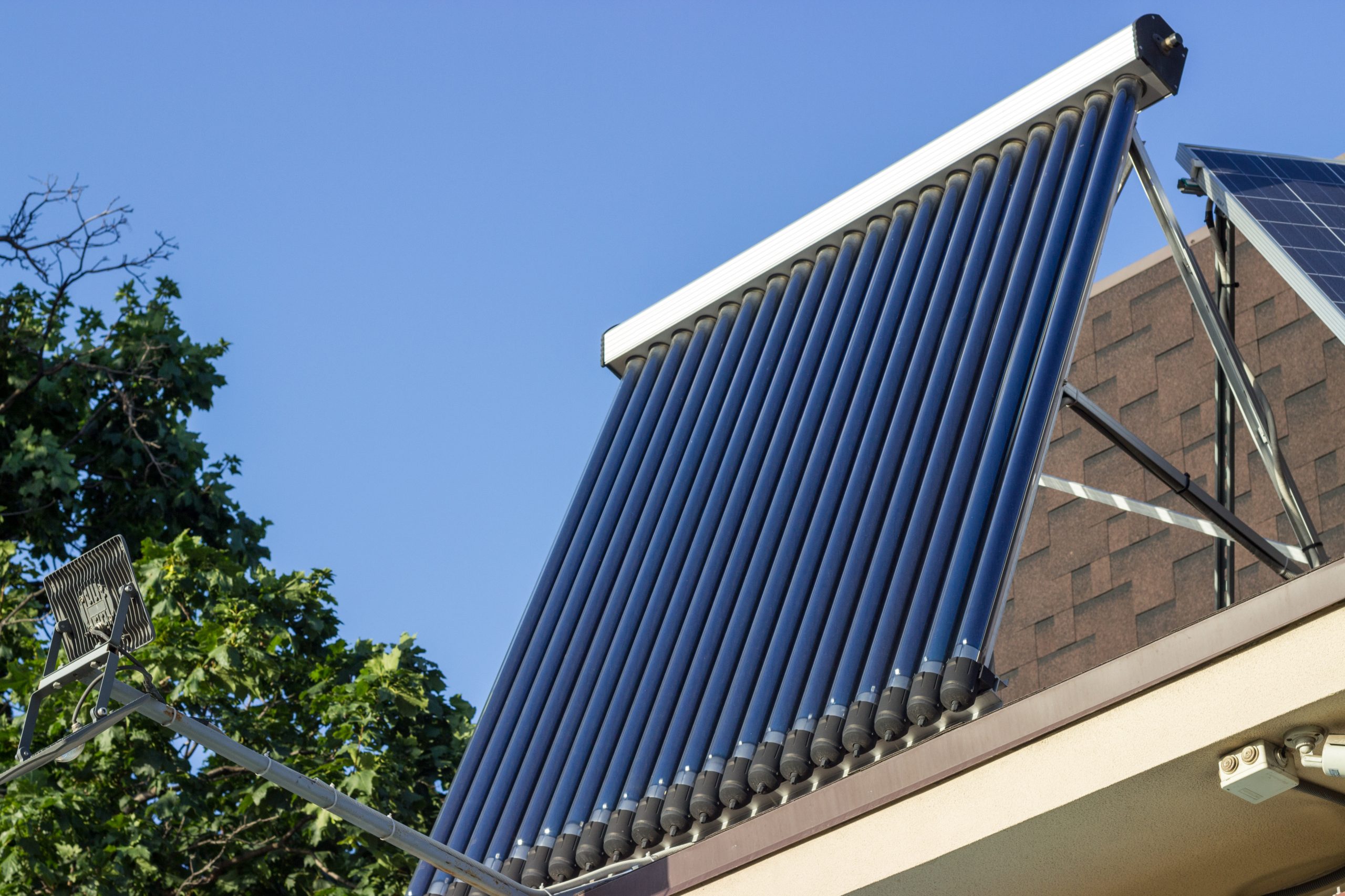
Inconsistent Water Temperature
If your water temperature varies more than usual—hot one morning and lukewarm the next under similar conditions—something in your solar water heating system may not be working correctly. Temperature inconsistency often points to circulation problems, a failing pump, a stuck valve, or air trapped in the system.
Solar water heating systems depend on consistent circulation to move heated fluid between the collector and the storage tank. When circulation slows or stops, you'll notice the effects at the tap. The system may still produce some hot water, but not as reliably as it should.
If you've ruled out changes in weather or household usage patterns, the inconsistency is worth investigating. These problems don't usually resolve on their own.
Water Takes Longer to Heat or Runs Out Faster
Solar water heating systems are designed to provide a consistent supply of hot water based on your household's needs and the system's capacity. If you're running out of hot water sooner than normal, or if it takes longer for the water to reach the temperature you expect, the system may not be collecting or transferring heat efficiently.
This can happen when a collector panel develops a leak, when insulation around the storage tank deteriorates, or when a heat exchanger fails. In some cases, sediment buildup in the tank can reduce capacity and slow heat transfer, although that's more common in older systems.
When hot water becomes scarce without an obvious increase in demand, it's a sign that something inside the system has changed. Solar water heating systems are built to last for years, but components do wear out over time.
Visible Leaks Around the Collector or Storage Tank
Leaks are one of the clearest signs that your solar water heating system needs attention. You may notice water pooling near the collector mounting area, dripping from pipes or fittings, or moisture around the storage tank. Even small leaks can indicate a larger problem, especially if the system uses a closed-loop design with glycol or another heat-transfer fluid.
Leaks can develop at connection points, valves, or within the collector itself. In cold climates or during freezing conditions, trapped water can expand and crack fittings or tubing. Over time, UV exposure and temperature cycling can degrade seals and gaskets.
Ignoring a leak won't make it better. Water damage, reduced system pressure, and loss of heat-transfer fluid can all lead to bigger repairs down the road. If you see moisture where it shouldn't be, schedule an inspection.
Unusual Sounds from the System
Solar water heating systems usually run quietly. If you start hearing knocking, banging, hissing, or gurgling sounds, something inside the system may have failed or become obstructed. These noises often point to air in the lines, a failing pump, or steam formation caused by overheating.
Air pockets can form when circulation slows or when a leak allows air to enter the closed-loop system. Steam noises can occur if the system overheats because the pump has stopped circulating fluid or a sensor has failed. Knocking sounds may indicate that a valve is stuck or that pressure is building up unevenly.
These aren't sounds you should get used to. They indicate that the system is operating outside its normal parameters, and continuing to run it that way can cause additional damage.
Monitoring Alerts or Performance Drops
If your solar water heating system includes monitoring equipment, pay attention to any alerts or performance data that shows a drop in output. Many newer systems track fluid temperature, flow rate, and energy transfer, giving you early warning when something isn't working correctly.
A sudden drop in collector temperature, reduced flow rate, or error codes related to sensors or pumps all suggest that a component needs attention. Monitoring systems can often pinpoint where the problem is occurring, making diagnosis faster and more accurate.
Even without a monitoring system, you may notice that your backup water heater is running more often than it used to. That's a sign that your solar system isn't contributing as much heat as it should be, which usually means something has changed in how the system operates. For more about recognizing when a solar system has stopped working correctly, read about how to tell if your solar monitoring system stopped working.
When to Schedule a Professional Inspection
Not every issue requires immediate repair, but any persistent change in performance should be evaluated by someone experienced with solar water heating systems. A professional inspection can identify problems early, when they're easier and less expensive to fix.
Schedule an inspection if you notice any of the signs mentioned above, if your system is more than 10 years old and hasn't been serviced recently, or if you're seeing higher-than-expected utility bills because your backup heating system is running more often.
Solar water heating systems require some maintenance over their lifespan, but they're designed to be reliable. When something changes, addressing it sooner rather than later usually means less downtime and lower repair costs. According to the U.S. Department of Energy, regular maintenance can extend the life of solar thermal systems and help ensure consistent performance.
If you're experiencing any of these problems with your solar water heating system in the Sacramento area, Aztec Solar can inspect your system, identify the cause, and recommend the repair that makes the most sense for your situation. Whether your system was installed by another company or you've simply noticed a change in how it's performing, get in touch to schedule an inspection.
Frequently Asked Questions
How often should I have my solar water heating system inspected?
Most solar water heating systems should be inspected every 3 to 5 years, or sooner if you notice any changes in performance. Regular inspections can catch small problems before they lead to bigger repairs.
Can I repair my solar water heating system myself?
Most solar water heating repairs require specialized knowledge of closed-loop systems, pressure testing, and fluid handling. Attempting repairs without experience can void warranties or cause additional damage. Professional service is usually the safer choice.
Will my solar water heating system stop working completely if something fails?
Not always. Many solar water heating problems cause gradual performance loss rather than complete shutdown. Your backup heating system may compensate, so you'll still have hot water—but your solar system won't be contributing as much as it should.
How long do solar water heating system repairs take?
It depends on the problem. Simple repairs like replacing a pump or sensor can often be completed in a few hours. More involved repairs, such as replacing a collector panel or fixing a leak in the storage tank, may take longer.
What happens if I ignore signs that my solar water heating system needs repair?
Ignoring early warning signs usually leads to more extensive damage and higher repair costs. A small leak can become a larger one, a failing pump can cause overheating, and reduced performance means you're paying more to heat water with your backup system.